
What Happens When We Stop Building "Senior Spaces" and Start Building Community
I once worked as the Activities Coordinator for a senior center that shared space inside an old school building.
It served as a living, breathing community hub.
Originally an elementary school in the 1950s, the space had evolved over time into something much bigger. By the time I arrived, it housed a mix of programs: A home school academy, a transitions program for young adults with special needs, a children’s literacy group, a youth basketball training center and our senior center.
It was one of the most connected community hubs I’ve ever been part of.
There was a constant, organic flow between generations.
Kindergartners would come sing holiday carols to our members.
Home schooled middle schoolers planted and cared for a courtyard garden, sending seniors home with fresh produce.
A local nonprofit created pathways for members to mentor high school and college students exploring careers in tech and engineering.
A children’s literacy program met after hours and many of our members showed up to be volunteer tutors.
One connection stood out above all the others.
The Transitions Program served young adults ages 18–21 with special needs, helping them build skills for independent living and employment. Part of their learning involved games and social interaction and our members were invited to join.
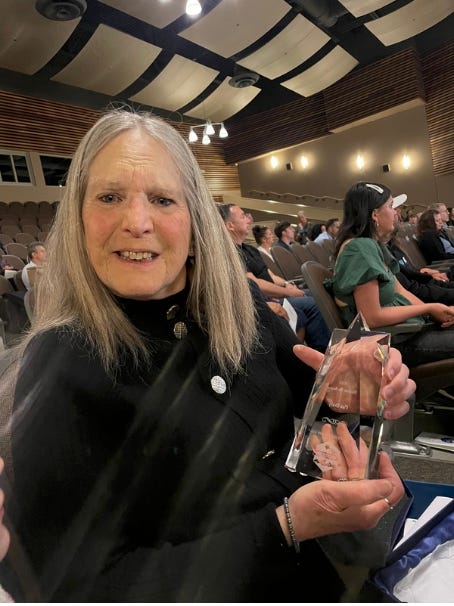
That’s where Pat came in.
I encouraged her to give it a try. She showed up once and never stopped coming back. Twice a week, every week, she played games with the students. After each visit, she’d stop by my office to share stories, funny moments, and connections that clearly meant something to her.
The students adored her. The teachers relied on her. Pat found something she didn’t even know she was missing.
At the end of the year, the program awarded her Volunteer of the Year. When I handed her the letter, she cried. She told me she had never won anything before.
Watching her be seen and celebrated has stayed with me ever since.
Not long after, the building was shut down due to structural and fire code issues.
But what happened inside those walls left a lasting impression on me and continues to shape how I think about the work we do.
Here’s what that experience made clear:
We don’t always need more buildings.
We need better use of the ones we already have.
When we create separate spaces just for older adults, we can unintentionally reinforce our culture’s practice of age siloing. When we integrate programs into shared community spaces schools, churches, community centers we create natural opportunities for intergenerational connection and contribution.
In a podcast conversation with Deb Kohlwey, she shared how she brought her Ballroom Basics for Balance class into her church recognizing it as an underutilized community space during the week.
That’s the shift.
There’s another layer to this work that often gets overlooked.
As movement leaders and wellness professionals, our role doesn’t stop when class ends. We’re in a unique position to help people reconnect not just with movement, but with purpose.
Many older adults want to contribute. They have time, experience, and wisdom to offer. What they often lack is a clear pathway and an invitation.
That’s where we come in.
By getting to know the people in our classes, we can help connect them to opportunities whether that’s mentoring, volunteering, or simply showing up in spaces where they’re needed.
It’s helping someone like Pat find a place where they belong and reminding them they still have so much to give.
Parkour Inspiration, Ideas, & Community
I’ve put together a YouTube playlist that shows how I bring parkour-inspired movement, playfulness, and creativity into at-home classes and senior living communities.
You can also explore the Parkour4Seniors YouTube channel for more ways to introduce and scale parkour movements for different abilities and settings.
If you’re curious about going deeper, there’s a growing community of movement professionals exploring this work together. It’s a group focused on connection, support, and sharing resources to help you bring these ideas into your community. Reach out to Susan Frikken: susan@yaharatherapy.com to learn more.
Upcoming Online Events
Little Embarrassment. Big Gains. Cueing The Pelvic Floor in Physical Activity
Wednesday, May 20th 1pm PT/4pm ET
Learn how and why to include this muscle group in your programming, along with simple, embarrassment-minimizing ways to combine pelvic floor cueing with activities you’re already leading.
Expand Your Impact with the AGEnts of Movement Webinar Library
Looking for fresh ideas and deeper insight to support the people you serve? The AGEnts of Movement Webinar Library offers practical, thought-provoking sessions designed for movement leaders working with older adults.
Explore topics like:
Coach development for movement leaders
Psychology of chronic disease
How to coach falling safely
Reducing fall risk through game play
How to partner with physical therapists
Each webinar provides practical strategies and new perspectives you can immediately bring into your classes, programs, and communities.
Learn. Grow. Lead movement experiences that matter.