
Why Every Class Needs a Helper
The overlooked connection between feeling useful and staying active.
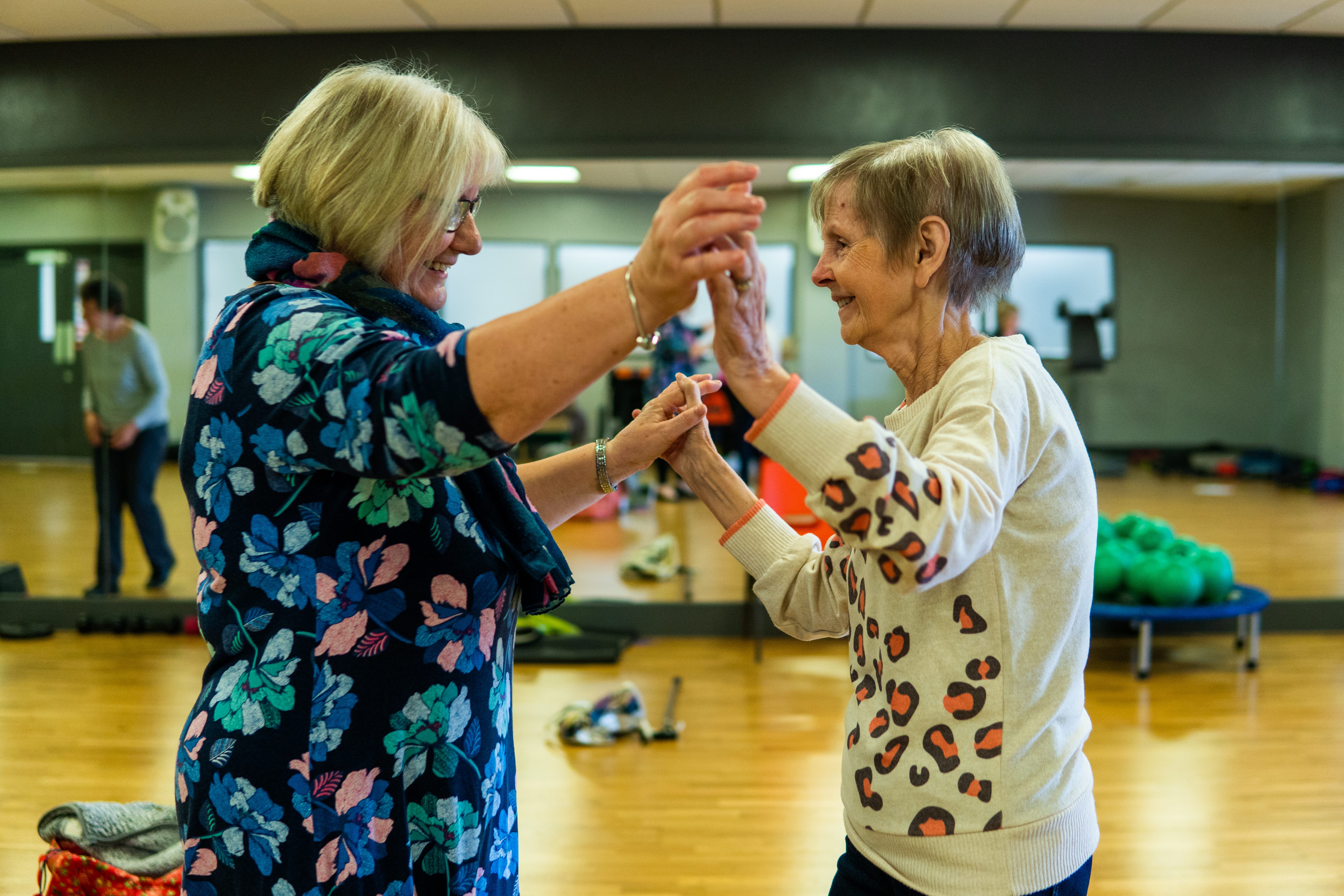
When I taught at a local senior living community, we had a system for the days we took class outdoors.
Joan picked up a pitcher of water from the café.
Joann headed upstairs to gather the equipment we’d be using.
Diane helped rearrange tables and chairs to transform the patio into our movement space.
Everyone knew their role.
When class ended, participants worked together to return everything to its place. Set-up and clean-up happened quickly, but that wasn’t the real benefit.
It wasn’t about saving my energy.
It was about giving people a reason to be needed.
The participants were contributing to something bigger than themselves. They took ownership of their roles and looked forward to being relied upon.
I had hired them.
And every time I did, I was communicating something much more important than, “Can you grab the water?”
I was saying:
“I know you’re capable.”
“You matter here.”
The Research Behind Feeling Needed
Research suggests that feeling useful is an important ingredient of healthy aging.
In the MacArthur Study of Successful Aging, older adults who rarely felt useful to friends and family were significantly more likely to develop disability and experience poorer health outcomes over the following years than those who frequently felt useful, even after accounting for differences in health and other risk factors.
Other research has found that feeling useful is associated with greater physical activity, stronger social engagement, lower rates of depression, and better overall health.
Even more telling, a recent study examining falls found that people who experienced recurrent falls were more likely to report feeling less helpful to friends and family. They were also more likely to be going outside less often than they had the year before.
When we lose opportunities to contribute, we don’t just lose a task.
We may lose confidence.
We may lose connection.
We may lose reasons to leave the house.
And over time, those losses can affect both our social and physical health.
A Different Question
Movement professionals often ask:
“How can I help my participants?”
There’s another question that may be just as important:
“How can my participants help each other?”
Could someone welcome newcomers?
Could a participant demonstrate an exercise?
Could someone hand out equipment?
They’re opportunities to strengthen a person’s identity as someone who contributes.
Someone who is capable.
Someone who matters.
Every class is filled with opportunities to create meaningful roles.
The participant who remembers everyone’s name.
The class member who puts away equipment.
The person who checks in on someone who missed class.
These roles may seem small.
Each one sends a powerful message:
You belong here.
You’re capable.
You’re needed.
Our job isn’t just to get people moving.
It’s to create environments where people have opportunities to contribute, connect, and discover that they still have something valuable to offer.
Online Events
*All webinar registrants will receive a recording of the webinar
3 Shifts That Improve Outcomes in Adaptive Fitness
Thursday, July 23rd 3pm PT/6pm ET
In this session led by Megan Williamson, we’ll break down three common mistakes that even experienced professionals make when working with clients with disabilities — and how to shift your approach in a way that feels more clear, confident, and effective.
Building Confidence Through Movement: Helping Participants Move Beyond Fear
Tuesday, August 18th 1pm PT/4pm ET
In this interactive session led by Erin Eleu, we’ll explore the connection between fear, confidence, and movement, and how leaders can create environments that help participants feel safe, capable, and willing to try.
Affiliate Corner
Introducing Stand Up to Falls
Falls Prevention Month is an important opportunity, but too often it becomes a collection of awareness posters, handouts, and one-off balance activities.
This year, StrongerU Senior Fitness is raising the standard of Falls Prevention Month.
This September, StrongerU is launching a special Stand Up to Falls Cohort of the StrongerU Senior Fitness Instructor Course, designed to help you deliver a purposeful, evidence-based four-week falls prevention program throughout November.
Rather than focusing on a few isolated balance exercises, Stand Up to Falls helps older adults enhance their strength, cardiovascular endurance, coordination, agility, reaction time, and confidence to support safer movement every day.
Participants in the cohort will receive:
• Enrollment in the StrongerU Senior Fitness Instructor Course
• A complete four-week Stand Up to Falls program ready to deliver during Falls Prevention Month
• Supporting education and implementation resources
• One year of monthly StrongerU class content to help maintain momentum long after November ends
If reducing falls, improving resident outcomes, and strengthening your wellness programming is a priority for you, then learn more and join the waitlist HERE.
Elevate Your Impact with the AGEnts of Movement Webinar Library
Looking for fresh ideas and deeper insight to support the people you serve? The AGEnts of Movement Webinar Library offers practical, thought-provoking sessions designed for movement leaders working with older adults.
Explore topics like:
Coach development for Movement Leaders
Psychology of Chronic Disease
How to Coach Falling Safely
Reduce Risk of Falling Through Game Play
Balance & Your Brain
Each webinar provides practical strategies and new perspectives you can immediately bring into your classes, programs, and communities.
Learn. Grow. Lead movement experiences that matter.
AGEnts of Movement is committed to making movement education free for professionals and classes accessible for older adults
If you’d like to support this work:
Contribute to help sustain programming
Join or host a class
Share AGEnts of Movement with your community
When I led Stepping On falls prevention workshops, there was always a co-presenter assigned to help with setup and the other details. It never occurred to me to invite participants to take on some of those roles.
It was nothing against them, my thinking was that I was the presenter, so it was my responsibility to take care of everything and treat participants like guests. In my mind I was trying to show them respect by making sure everything was done for them.
Your post helped me see that doing everything for people can also take away an opportunity for them to contribute, feel capable, and be needed. And that would pay dividends, I'm sure, when we did participant discussions. Having a few people helping each week would help build community within the group, and they would be more comfortable sharing their stories.
This was a real aha moment for me. Thank you.